

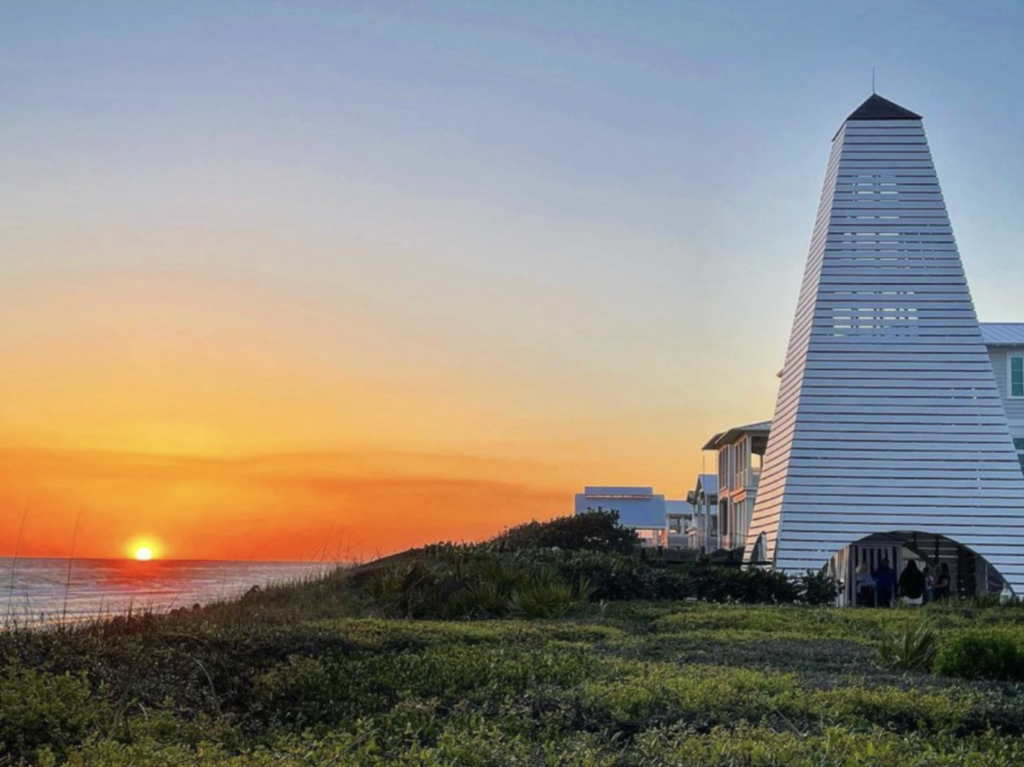
The pastel cottages. The white picket fences. The town square that looks like it was designed by someone who studied Norman Rockwell paintings for a living. Seaside, Florida, is undeniably beautiful—an 80-acre masterplan along the 30A corridor that launched the New Urbanism movement and became the backdrop for The Truman Show. But here’s what the brochures won’t tell you: Seaside is an architectural experiment that became a massive tourist engine. Living here requires accepting that you are living inside a resort first, and a neighborhood second.
Quick Take: The Reality of Living in Seaside
Seaside, Florida is a walkable, master-planned New Urbanist community that functions primarily as a luxury resort. Residents must navigate high HOA fees, strict architectural codes, and significant tourist density, with most housing stock dedicated to short-term rentals rather than full-time occupancy.
The True Cost of Ownership (Beyond the Listing Price)
You’ve seen the listing price. You’ve done the mortgage math. Now let’s talk about the costs that don’t appear in the MLS description—costs that vary dramatically between 30A communities—the ones that can add $30,000 to $50,000+ annually to your cost of ownership.
| Cost Factor | Estimated Financial Impact |
|---|---|
| Transfer / Initiation Fee | ~1% to 2% of Purchase Price (One-time fee due at closing) |
| HOA Dues | Varies by street / association (Request specific association docs) |
| Special Assessments | Frequent & Variable (Always request a 3-year history) |
| Flood Insurance | Zone AE/VE Premiums (Highly individualized by Risk Rating 2.0) |
| The “Salt Tax” (Maintenance) | Budget 1.5% – 2% of home value annually (For rapid HVAC/exterior depreciation) |
HOA Reality: The Hidden Layer Cake
Seaside’s HOA structure is more complex than most communities along 30A, where property values differ significantly between south and north of the highway. Your annual obligations typically include standard HOA dues, but also special assessments for infrastructure improvements and capital contribution fees (often called transfer fees) that can run 1-2% of your purchase price. These transfer fees are due at closing and are separate from your recurring HOA dues. When budgeting, ask your agent for the last three years of special assessment history—not just the current year’s dues.
Insurance Shock: Understanding PITI in a Flood Zone
Here’s where many buyers experience sticker shock. Seaside sits in FEMA Flood Zones AE and VE, and since FEMA implemented Risk Rating 2.0, flood insurance premiums have become highly individualized based on your specific property’s elevation and distance from water. Your PITI calculation (Principal, Interest, Taxes, Insurance) can see the “I” component rival your mortgage payment itself. Coastal windstorm insurance is separate from flood insurance, and together, these policies can easily exceed $10,000-$15,000 annually for a modest cottage. Factor in replacement cost inflation, and you’re looking at premiums that increase 10-20% year over year.
Maintenance: The Salt Tax
Salt air is corrosive—a reality that affects every 30A community from Seaside to Alys Beach, regardless of price point. Your HVAC system will need replacement every 8-10 years instead of 15-20. Exterior paint fades faster. Windows seal poorly. Decks require constant attention. Budget an additional 1.5-2% of your home’s value annually for maintenance beyond typical inland properties. This isn’t optional—it’s the cost of living 200 yards from the Gulf.
The “New Urbanism” Reality: Tourists vs. Residents
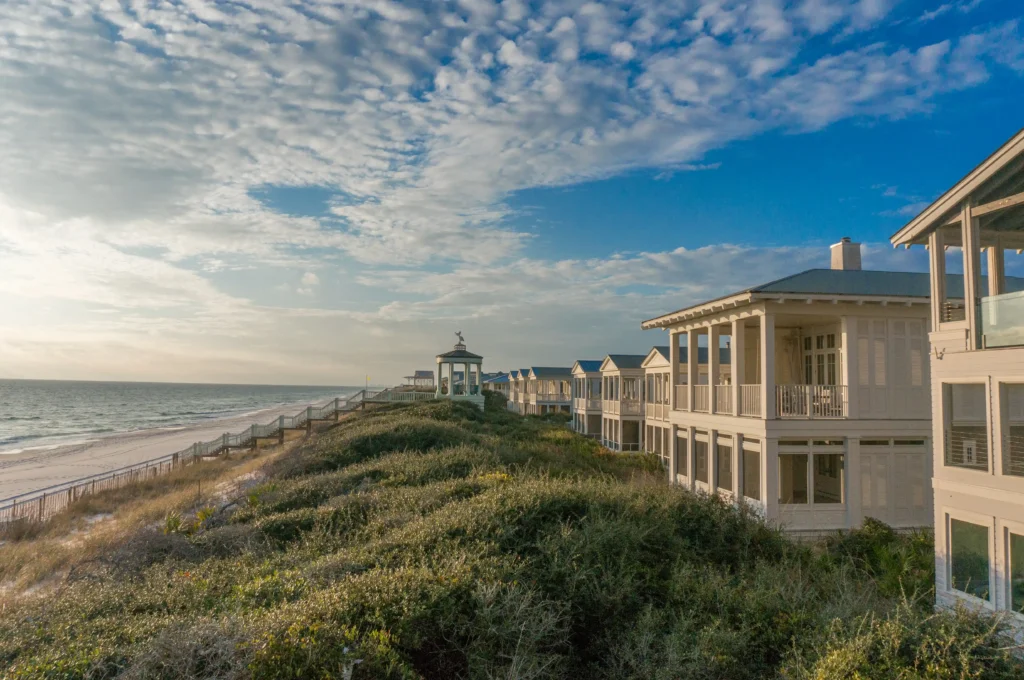
Seaside was designed as a walkable community where neighbors know each other and front porches encourage spontaneous conversation. That vision exists—but it’s complicated by the fact that most of your “neighbors” change weekly.
The Ratio: Understanding Short-Term Rental Density
The majority of Seaside’s housing stock operates as short-term vacation rentals. Walk through on any Saturday during spring break or summer, and you’ll see the luggage carts, the rental company door codes, the families trying to figure out how the beach gear shed works. This isn’t a criticism—it’s the economic reality. Tourist Development Tax revenue from South Walton (which includes Seaside) funds beach maintenance, lifeguards, and public services—a dynamic that plays out differently in communities like WaterColor and Watersound further east. The amenities you enjoy are subsidized by high-turnover visitors, which means crowds are a feature, not a bug.
Seasonality: The 10-Minute Problem
From June through August and during spring break—the peak season months on 30A—the drive to Publix in Santa Rosa Beach can take 40 minutes instead of 10. Highway 30A becomes a parking lot. Restaurant reservations disappear. The walkable town square you loved during your off-season visit becomes elbow-to-elbow packed. If you’re considering full-time residency on 30A, visit during Memorial Day weekend or Fourth of July to experience peak-season reality.
Rules, Regs, and The Architectural Review Committee
Here’s the part that separates serious buyers from dreamers: In Seaside, you don’t fully “own” your exterior. And that’s by design.
Strict Control: The Architectural Code
Want to paint your fence? You’ll need Architectural Review Committee (ARC) approval. Thinking about adding a screened porch? Submit detailed plans and wait for the committee to review them against Seaside’s architectural code—a document that specifies everything from color palettes to roofline angles. This isn’t HOA overreach; it’s the mechanism that preserves the aesthetic cohesion that makes Seaside valuable—similar to the design code enforcement in the Rosemary Beach vs Alys Beach corridor further east. But it means renovation timelines stretch longer than conventional neighborhoods, and your contractor needs to understand these requirements upfront.
Lifestyle Policing: Necessary Evils
Strict enforcement exists on parking (no street parking in many areas), trash can visibility (they must be hidden), and noise ordinances. In a community this dense—where homes sit 10 feet apart—these rules prevent chaos. But they also mean you’ll receive violation letters if you leave your kayak visible from the street or if your guests park in the wrong spot. It’s the trade-off for maintaining property values in a high-density resort environment.

Logistics: Schools, Healthcare, and Grocery
The “walkable town” promise has limits. Here’s what you actually need a car for.
Schools: The Charter Reality
Seaside Neighborhood School is a highly regarded public charter school—but it only serves grades 5-8. If you have children outside that range, you’ll be zoned for Walton County schools, which may require significant driving—our 30A relocation guide covers the full school landscape. This is not a K-12 solution within walking distance. Plan accordingly, or budget for private school tuition in the Destin-Miramar Beach area.
Medical: Distance to Trauma Care
The nearest hospital with full trauma services is HCA Florida Fort Walton-Destin Hospital or Sacred Heart Hospital on the Emerald Coast, both 20-30 minutes away without traffic. There are urgent care facilities closer, but for serious emergencies, you’re looking at a substantial drive or airlift. This matters for families with young children or residents with chronic health conditions.
Groceries: You’re Driving to Publix
Despite the walkable design, you cannot easily walk to a full-service supermarket. The nearest Publix is in Santa Rosa Beach, requiring a drive along 30A or US-98. Seaside has a small market for essentials, but weekly grocery runs mean getting in your car.
Internet: Infrastructure Variance
Broadband service in Seaside depends on Santa Rosa Beach infrastructure and can vary significantly by street and provider. Remote workers should verify service reliability at their specific address before closing—don’t assume fiber availability or consistent speeds across the community.
The Cons: Why People Leave
Let’s address the friction points that cause even enthusiastic buyers to sell within 2-3 years.
Noise and Privacy: The Rental Reality
When your neighbor is a different family every week, predictability disappears. Luggage carts rattle at dawn. Bachelor parties happen. Families with young children occupy the cottage next door, and sound carries through thin walls. You have no control over who books the property beside you, and management companies prioritize quick turnover over neighbor relations.
Storm Anxiety: The Evacuation Reality
Hurricane season runs June through November. Seaside sits in an evacuation zone—as do neighboring communities like Seagrove and Grayton Beach—and there are exactly two ways out: Highway 98 east or west. Seaside sits in an evacuation zone, and there are exactly two ways out: Highway 98 east or west. When a Category 3+ storm enters the Gulf with Seaside in the cone, you’ll be sitting in standstill traffic with thousands of other coastal residents trying to evacuate simultaneously. If you have storm anxiety or limited mobility, this geographical bottleneck is a serious consideration.
The Resort Tax: Paying for Others’ Vacations
Your property taxes, HOA dues, and maintenance costs subsidize infrastructure that primarily serves short-term visitors. You’re funding beach access, public restrooms, and parking that tourists use for free or minimal cost. Some residents find this acceptable; others resent paying premium prices to live in what feels like a commercial district six months of the year.
Investment Potential: Rental Rules & ROI
Seaside is one of the most established short-term rental markets on 30A—but that doesn’t automatically make it a smart investment. Here’s what the numbers actually look like.
Most of Seaside’s housing stock is already in the rental pool, managed by companies like Cottage Rental Agency and 30A Luxury Vacations. Peak-season nightly rates for a 3-bedroom cottage typically range from $500–$900+ per night, with premium gulf-front properties exceeding $1,200. Off-season rates drop significantly—often 40–60% below peak pricing.
Occupancy follows a predictable curve: strong from March through August, moderate in September–October, and soft from November through February. Realistic annual occupancy for a well-maintained, well-marketed property sits around 55–65%, not the 80%+ some listing agents will suggest.
Here’s where the math gets uncomfortable: when you stack HOA dues, special assessments, flood and windstorm insurance, property management fees (typically 20–25% of gross rental income), property taxes, and the accelerated maintenance costs of a coastal property, many Seaside investments break even or generate modest cash flow at best. The real return often comes from long-term appreciation rather than annual rental income.
Before buying Seaside as an investment, request the rental history for the specific property—not neighborhood averages—and run your own numbers with conservative occupancy assumptions.
Is Seaside Right for You?
Seaside works brilliantly for a specific buyer profile: someone who values architectural beauty and walkability, who either embraces the resort atmosphere or plans to be absent during peak season, and who has the financial cushion to absorb unpredictable insurance increases and special assessments without lifestyle impact.
It does not work for buyers seeking year-round peace and quiet (communities like Grayton Beach may be a better fit), those on tight budgets, or families expecting traditional suburban schools and conveniences.
Don’t buy the brochure. Buy the spreadsheet. Work with a local specialist who can walk you through the specific flood zone designations, HOA covenant details, and rental density patterns for the exact street you’re considering. Understand the difference between Seaside’s regulations and neighboring communities—our Seaside vs WaterColor comparison breaks down the key distinctions for families, and Rosemary Beach offers yet another governance model.
Seaside is an extraordinary place—but so are nearby alternatives like WaterColor, which offers a very different ownership experience. But it’s extraordinary in ways that require financial preparedness, lifestyle flexibility, and a clear-eyed understanding that you’re buying into a working resort community, not a private residential enclave. If you can embrace that reality, you’ll understand why so many owners consider it worth every complex, expensive, tourist-filled minute.
Frequently Asked Questions About Living in Seaside, FL
Q1: How much does it really cost to live in Seaside, FL? Beyond the purchase price, expect annual carrying costs of $30,000–$50,000+ including HOA dues, special assessments, flood and windstorm insurance, and accelerated maintenance from salt air exposure. Transfer fees at closing typically run 1–2% of the purchase price.
Q2: Is Seaside, FL a good place to live full-time? Seaside can work for full-time residents who embrace the resort atmosphere and plan around peak tourist season from June through August. However, the majority of homes operate as short-term rentals, which means weekly neighbor turnover and significant seasonal crowds along Highway 30A.
Q3: What schools are available for families living in Seaside, FL? Seaside Neighborhood School is a well-regarded public charter school serving grades 5–8. Children outside that age range are zoned for Walton County public schools, which require driving. Private school options are available in the Destin–Miramar Beach area.
Considering a Move to Seaside?
Seaside’s ownership costs, HOA structure, and rental dynamics are more complex than most 30A communities. Before you make a decision, talk to someone who knows the specific streets, flood zones, and assessment history — not just the listing photos. Book a free discovery call and get the real numbers.

Pingback: The Real 30A Florida Guide: Towns, Truths & East vs. West
Pingback: Getting to 30A: Closest Airports (ECP vs VPS) & Driving Routes
Pingback: 30A Beach Access: Public vs. Private Rules (2026 Guide)
Pingback: Living in Grayton Beach, FL: Costs, Pros & The “Strange” Truth
Pingback: Seaside vs WaterColor: The Real Story for Families (2026)