

Most travel guides will tell you any time is a good time to visit 30A. That is marketing nonsense. The real difference between visiting in February versus July is not just preference. It is paying $350 per night or $800 per night, having the beach to yourself or fighting for parking, and swimming in 82-degree Gulf water or watching from shore in a 62-degree surf. Knowing the best time to visit 30A comes down to two things: your budget and your tolerance for crowds. Everything else flows from there.
The Best Time to Visit 30A
The best time to visit 30A is October. Water temperatures average 77 degrees Fahrenheit, crowds drop significantly from summer peaks, rental rates run 25 to 35 percent below July pricing, and every restaurant and shop remains open. Shoulder months May and late September offer similar value with comparable conditions for travelers with flexible schedules.
The honest answer depends on what you are optimizing for. If you want warm water, go between late April and early November. If you want empty beaches and the lowest prices, go in January or February and accept that the Gulf will be too cold to swim. If you want the full 30A experience with everything running at maximum capacity, go in June or July and expect to pay for it. There is no magic window where prices are low, crowds are absent, and the water is warm. The trade-offs are real. Understanding them is how you make a smart booking decision.
Before you book, read our complete 30A guide so you have a clear picture of the area and which communities best match what you are looking for.
30A by Month: Quick Reference Guide
Use this table to see at a glance how each month stacks up on crowds, water temperature, and purpose. Then read the sections below for the nuance the table cannot fit.
| Month | Crowd Level | Water Temp | Swimable? | Best For |
|---|---|---|---|---|
| January | Lowest | 58°F | No | Solitude and rock-bottom rates |
| February | Low | 60°F | No | Snowbirds and budget-conscious travelers |
| March | Peak | 65°F | Cold | Spring Break (brave the water temps) |
| April | Mod-High | 70°F | Marginal | Families willing to risk cool water |
| May | Moderate | 75°F | Yes | Graduates and shoulder-season value |
| June | Peak | 80°F | Yes | Families wanting guaranteed swimming |
| July | Peak | 84°F | Yes | Full summer experience at maximum energy |
| August | High | 85°F | Yes | Warmest water (despite heat and potential flies) |
| September | Moderate | 82°F | Yes | Couples and empty nesters seeking value |
| October | Moderate | 77°F | Yes | BEST OVERALL: ideal balance of all factors |
| November | Low | 70°F | Marginal | Locals and early snowbirds arriving. |
| December | Low | 63°F | No | Holiday visitors |
What the Data Actually Says About 30A Crowds and Pricing
Crowd Levels: What Bed Tax Collections Reveal
According to South Walton Tourist Development Council bed tax reports, July generates roughly 30 percent more visitor traffic than October. That translates directly to 30 percent more cars on Highway 98, 30 percent longer restaurant waits, and 30 percent less available sand. The difference versus January is even more dramatic, with nearly double the bed tax revenue correlating to visitor volume.
Peak occupancy months in March, June, and July see saturation-level tourism. Saturday turnover days during these months create gridlock on Highway 98 that can add 45 minutes to a 10-minute drive. Restaurant waits routinely hit 90 minutes at popular spots. Parking at public beach access points fills by 9 a.m.
Rental Pricing Reality: Average Daily Rate by Season
Summer peak rates on quality vacation rentals in communities like Seaside, Rosemary Beach, and WaterColor often exceed $700 to $800 per night with strict seven-night minimums. Winter rates in those same properties run $300 to $350 per night with three-night minimums available. That is a potential savings of over $4,000 on a week-long stay by visiting in February instead of July. Shoulder months typically run 25 to 35 percent below peak pricing while maintaining full services and comfortable conditions.
If you are evaluating a purchase rather than planning a visit, the cost of living on 30A guide breaks down how these seasonal swings affect full-time residents and investors differently.
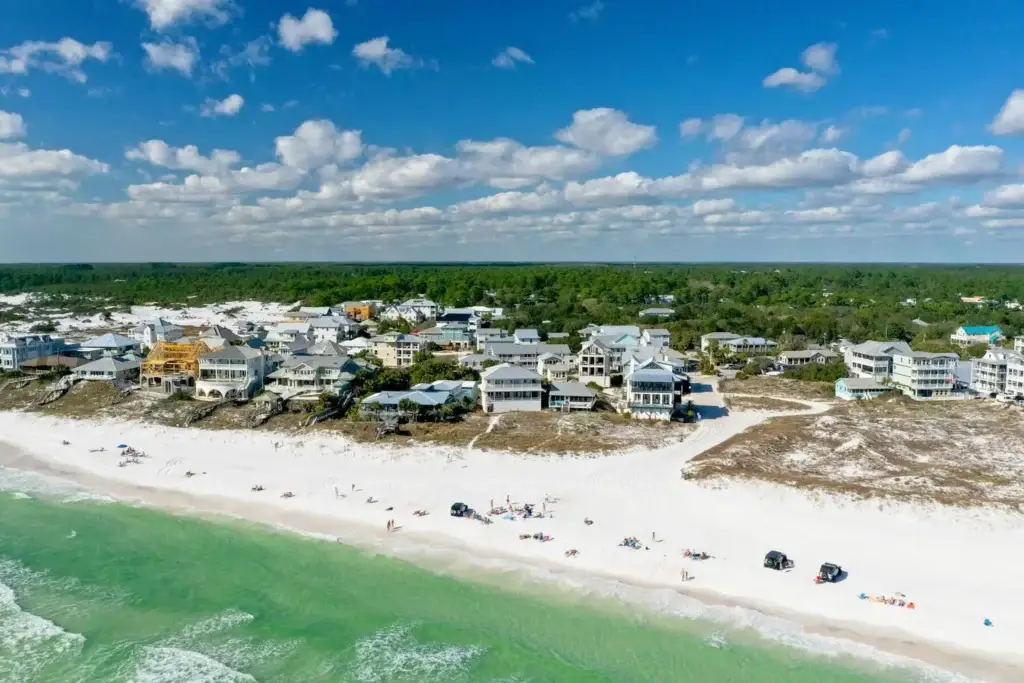
The Swim Window: Monthly Gulf Water Temperatures
This is where most travel guides fail you. They show sunny March photos and neglect to mention the Gulf is 65 degrees. Most people last about 15 minutes before their teeth chatter.
The real swim season runs from late April through early November. Water temperatures stay above 70 degrees during this window, which is the threshold most swimmers consider comfortable. The Gulf peaks at 85 degrees in August, then maintains excellent swimming conditions through October at 77 degrees. By mid-November it drops to 70 and continues falling. By January you are looking at 58-degree water: not refreshing, and not safe for extended swimming.
Air temperature means nothing if you cannot use the beach for swimming. Families with children especially need to factor this in. A 75-degree sunny day in March still means a 65-degree Gulf, and young children are the first to notice.
Water access and conditions also vary by location along 30A. The beach access rules on 30A differ significantly between public access points and private community beaches, which affects how crowded your swim experience will be at any time of year.
The Three Real Seasons of 30A
High Energy Season: March-April and June-July
This is 30A at maximum capacity. Spring Break brings college crowds and young families. Summer brings everyone else. The Saturday turnover phenomenon means every rental checks out at 10 a.m. and the next group checks in at 4 p.m., creating a weekly cycle of traffic on Highway 98.
Expect restaurant waits. Expect crowded beaches. Expect premium rates with strict Saturday-to-Saturday requirements and seven-night minimums at most properties. The energy is high, everything is open, the water is warm by June, and you get the full 30A experience with all amenities running at capacity.
If you are exploring communities to buy in, visiting during peak season gives you the most accurate picture of what your investment looks like at maximum rental capacity. Comparing living in Seaside versus living in WaterColor during July versus October will give you two very different impressions of the same communities.
Shoulder Season: Late April-May and Late August-October
This is the Goldilocks zone that locals recommend to friends. May and October are particularly excellent: warm water, moderate crowds, and rental flexibility. You can actually get a dinner reservation without a 90-minute wait. Beach access parking exists. Every shop and restaurant is fully operational but not overwhelmed.
Rental requirements relax to three-to-four night minimums. Prices drop 25 to 35 percent from peak. The weather in October is frequently better than July: less humidity, fewer afternoon storms, and no oppressive heat index. The water stays at a comfortable 77 degrees.
Shoulder season is also the window most serious buyers use for discovery trips. You see the community without peak-season distortion, residents are more accessible, and construction timelines on new properties are easier to assess. Our moving to 30A guide covers the logistics for those transitioning from a discovery trip to relocation.
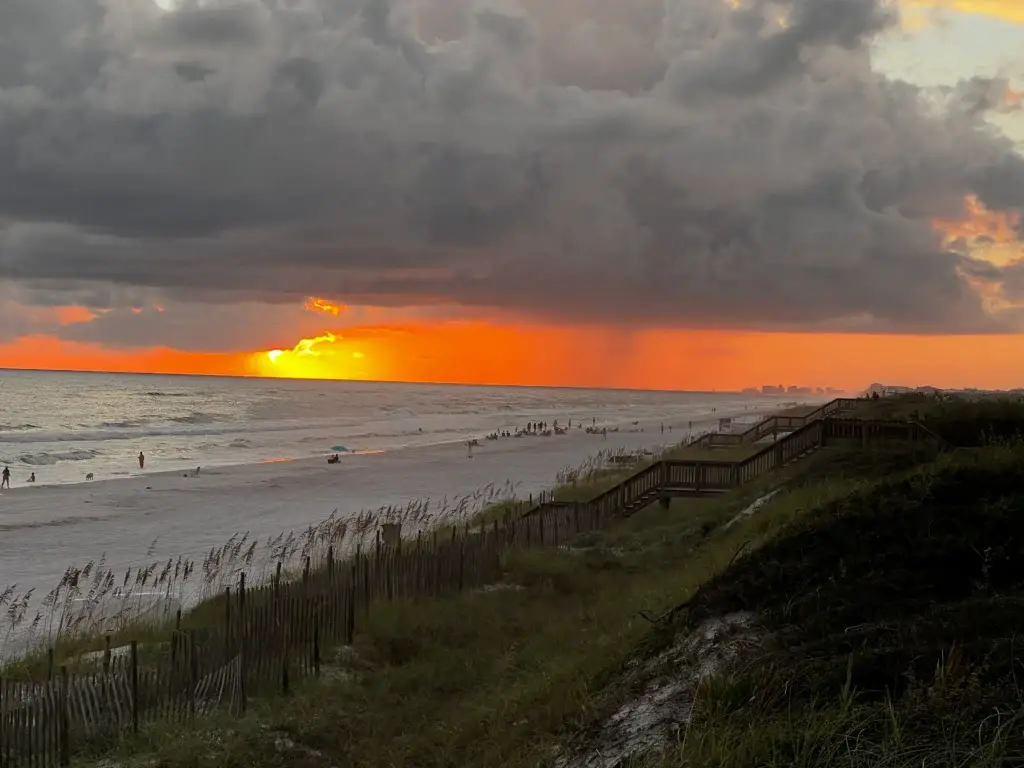
The Local and Snowbird Season: November-February
From November through February, 30A transforms. The rental crowds disappear. Snowbirds occupy long-term rentals and establish routines. Locals reclaim their town.
Many restaurants close Mondays and Tuesdays or shift to winter hours. Some shops close entirely in January and February. The trade-off is significant: rock-bottom pricing, empty beaches, and a look at what 30A feels like without tourism. But you cannot swim. The Gulf sits at 58 to 65 degrees during these months. This is not a beach vacation in the traditional sense. It is a coastal village experience.
For those considering a primary residence or a snowbird property, the off-season is when the real character of each community becomes visible. Rosemary Beach and Alys Beach both maintain a strong year-round resident base that gives them a different off-season feel compared to communities built primarily around vacation rentals.
The Honest Worst Times to Visit 30A
August Heat and Humidity
August has the warmest Gulf water at 85 degrees, which sounds perfect until you realize that getting from your rental to the beach requires walking through air that feels like a wet sauna. Heat index regularly pushes above 100 degrees. Afternoon thunderstorms are near-daily occurrences, often arriving precisely when you had planned beach time.
The combination of peak-season pricing without peak-season weather quality makes August a questionable value for most visitors. You are paying July rates for conditions that are objectively harder to enjoy. The families who do best in August are those with young children who are content at the pool and do not mind cutting beach sessions short around 2 p.m. when the storms typically roll in.
Fly Season on 30A: The Thing Nobody Warns You About
Here is what the tourism brochures conveniently leave out: biting flies. When winds shift from the north in late summer and early fall, yellow flies and dog flies emerge from the coastal dune lakes and make the beach genuinely miserable. They are aggressive, their bites are painful, and they are common enough that locals plan their beach days around wind direction.
The rule locals use: if the weather app shows north winds, pack bug spray or plan a pool day. South winds, which blow off the Gulf, push the flies back into the dunes. North winds blow them directly onto the beach. This typically peaks in August and September but can extend into early October. The Grayton Beach area near the coastal dune lakes tends to be more affected than communities further east.
The Cold Water Surprise in Winter and Early Spring
The number of disappointed families who arrive in March expecting to swim is significant. Yes, the air can hit 75 degrees on a pleasant day. The water is still 65 degrees. Young children especially struggle with this temperature gap.
If your vacation centers on swimming and beach play, do not book before late April unless you have clearly communicated to your group that the Gulf will likely be too cold for comfortable swimming. Plenty of people enjoy 30A in March for the weather, the lack of crowds, and the golf and dining options. Just be honest with your group about the water.
Peak Summer Traffic: The Highway 98 Reality
The specific worst weeks for traffic are the July 4th week and any March week during college spring breaks. Highway 98, the primary road connecting all 30A communities, even though it is a four-lane road, the peak season can still turn it into a parking lot.
Real drive time example: the trip from ECP (Northwest Florida Beaches International Airport) to Seaside is typically 45 minutes under normal conditions. On a Saturday in peak July, plan 90 minutes or more. A drive from Seaside to Rosemary Beach that should take 10 minutes can take an hour on a peak turnover Saturday. If you are flying in, the closest airports to 30A guide covers the ECP versus VPS decision and the best routing strategies.
Saturday is always the worst traffic day during peak season due to rental turnovers. During July 4th week and spring break weeks, every day can feel like a peak Saturday.
Construction Season: It Is Not When You Think
30A is in a constant state of development. New communities, renovations, and infrastructure projects run year-round. Here is the pattern most visitors do not anticipate: construction accelerates in the off-season. November through February is when crews rush to complete projects before the summer rental season begins.
If you are visiting in winter for peace and quiet, always ask your rental host directly: “Is there active construction next door or on this street?” Nail guns starting at 7 a.m. can completely undermine the serene off-season experience you paid for. Peak summer ironically sees more construction pauses and noise restrictions because HOAs and property managers enforce quiet hours more strictly during high-occupancy periods.
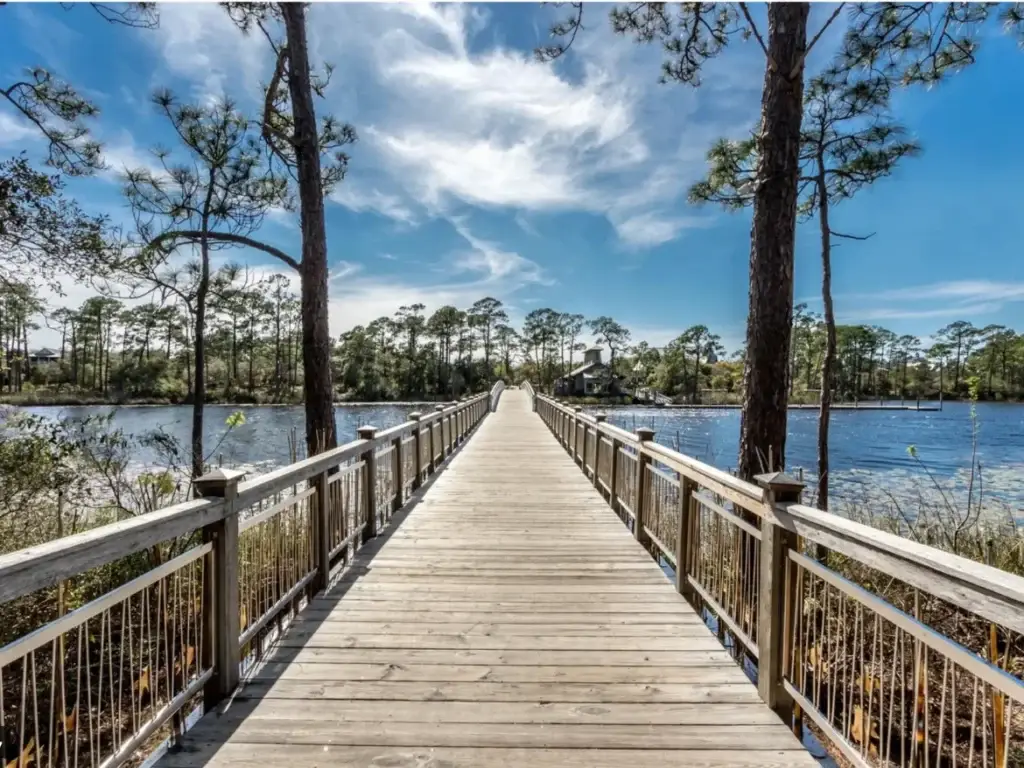
Essential Planning Factors for Your 30A Trip
How Far in Advance to Book
For peak season in March, June, and July: book six to nine months in advance. The best properties along communities like Seaside, Rosemary Beach, and WaterColor get claimed for the following summer before the current summer ends. Waiting until three months out means settling for whatever remains at inflated last-minute rates.
For shoulder season in May, September, and October: book three to four months out for strong selection. Good deals can still emerge four to six weeks before arrival during shoulder months.
For off-season in November through February: you can often book three weeks out and find excellent availability with favorable pricing. Some owners offer last-minute discounts to fill gaps in the calendar.
Minimum Stay Requirements
Peak season means rigid Saturday-to-Saturday requirements with seven-night minimums at most vacation rentals. This is how owners maximize revenue during the narrow high-demand window. Community-level rental rules also vary significantly. The restrictions in Seaside vs WaterColor are structured differently and affect what inventory is available and at what minimum stay.
Shoulder season relaxes to three-to-four night minimums with more flexible check-in days. Off-season sometimes allows two-night stays, though most owners still prefer weekly bookings.
Community-level rental restrictions are a bigger factor than most buyers anticipate. The comparison between Rosemary Beach vs Alys Beach and the contrast covered in Inlet Beach vs Rosemary Beach both address how rental rules differ between communities at the same price tier.
Hurricane Season: A Realistic Risk Assessment
Hurricane season runs from June 1 through November 30, with peak risk in August through October. The actual probability of a direct strike affecting your specific week is low. South Walton experiences meaningful tropical weather impacts every several years, not every season. The National Hurricane Center publishes historical track data for the Gulf Coast if you want to assess historical frequency yourself.
If you are booking during this window, travel insurance with hurricane coverage is essential. The pricing discount you see in September and October exists specifically because demand drops in response to this risk. Whether that trade-off makes sense depends on your situation.
For perspective on the broader logistics of owning on 30A through storm season, the south vs north of 30A guide covers flood zones, elevation, and the practical distinctions that matter for both vacationers and buyers.
Best Month for Every Type of 30A Visitor
There is no universally right answer. There is only the right trade-off for your specific priorities.
| Your Goal | Go In | Reason |
|---|---|---|
| Best overall experience | October | Warm water (77°F), moderate crowds, reasonable pricing, all businesses open |
| Lowest possible price | February | Rates run 50%+ below peak. Accept that swimming is off the table. |
| Guaranteed swimming weather | June or early July | Water hits 80°F and climbs. You will pay a premium and share the beach. |
| Absolute solitude | January | The beach is essentially yours. The water is not for swimming. |
| Peak energy and events | July 4th week | Maximum everything: crowds, pricing, activity, and traffic. |
| Value with flexibility | May or late September | 80% of peak benefits at 65-70% of the cost. |
The worst time to visit is whenever you show up expecting something different from what the data predicts. The trade-offs are real. Choose the ones you can live with.
Still evaluating which community fits your lifestyle? WaterColor vs Watersound and Seagrove vs Grayton Beach both show how dramatically community character shifts between seasons, which is a factor buyers often underweight.
Frequently Asked Questions About the Best Time to Visit 30A
What is the cheapest month to visit 30A?
January and February are statistically the cheapest months to visit 30A, with vacation rental rates typically running 50 percent or more below peak July pricing. The trade-off is significant: Gulf water temperatures drop to the low 60s Fahrenheit, making swimming impractical. You get empty beaches, lower rates, and a quiet version of 30A in exchange for giving up the swim.
Can you swim on 30A in October?
Yes. October is one of the best months for swimming on 30A. The Gulf water temperature averages around 77 degrees Fahrenheit, which is comfortable for most swimmers. Humidity drops significantly compared to summer, crowds thin out, and rental rates ease below peak pricing. October is widely considered the best overall month to visit for that combination of reasons.
When is fly season on 30A?
Biting flies, specifically yellow flies and dog flies that emerge from the coastal dune lakes, are most active in late summer and early fall, peaking in August and September. They swarm the beach when winds blow from the north. If the wind is blowing from the south, off the Gulf, the beach is typically clear. Locals check wind direction before heading out during these months.
Ready to Plan Your 30A Visit Around Real Market Timing?
Whether you are scouting neighborhoods for a purchase or just want to know what
conditions to expect in the communities on your shortlist, I can help.
Call/Text: 850-585-0642
Email: andy@livingon30aflorida.com



Pingback: 30A Beach Access: Public vs. Private Rules (2026 Guide)
Pingback: Getting to 30A: Closest Airports (ECP vs VPS) & Driving Routes
Pingback: Living in Seaside, FL: The True Cost of New Urbanism
Pingback: Living in Grayton Beach, FL: Costs, Pros & The “Strange” Truth
Pingback: Seaside vs. WaterColor: Which 30A Town is Best for Families?